ANSI S3.6 Certified

Your audiometers pass every calibration check.

Audiometer calibration to ANSI S3.6, tympanometer service, booth acoustic verification, OAE equipment maintenance, and compliance documentation. We keep your audiology clinic calibrated and survey-ready.

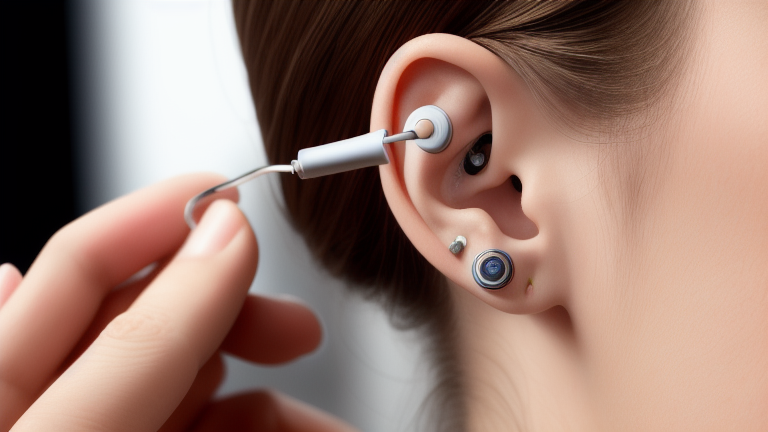
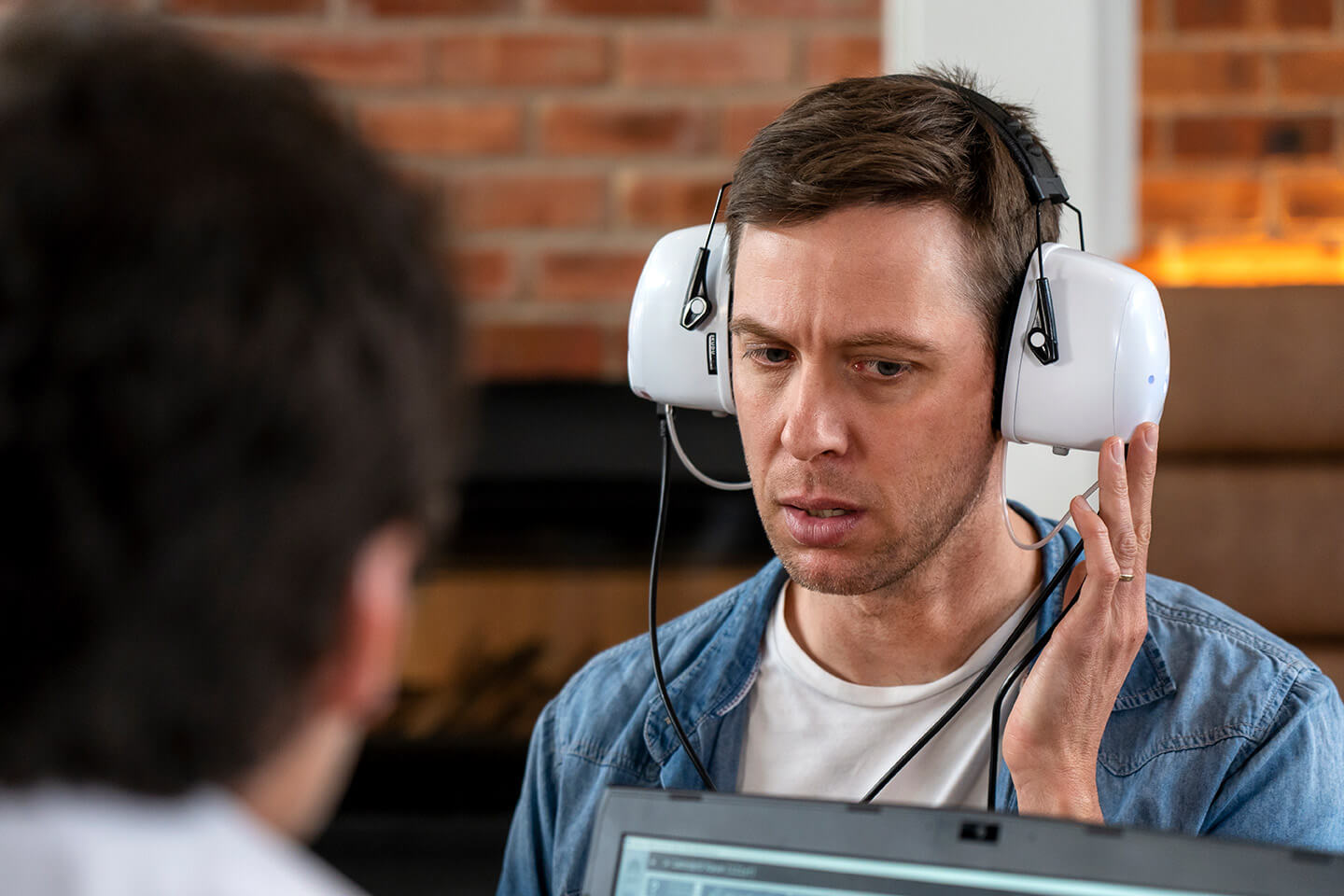
Patient undergoing a hearing test with a calibrated audiometer headset
300+
Clinics Served
ANSI S3.6
Certified
100%
Compliant
Same-Day
Turnaround

Audiology Equipment Services

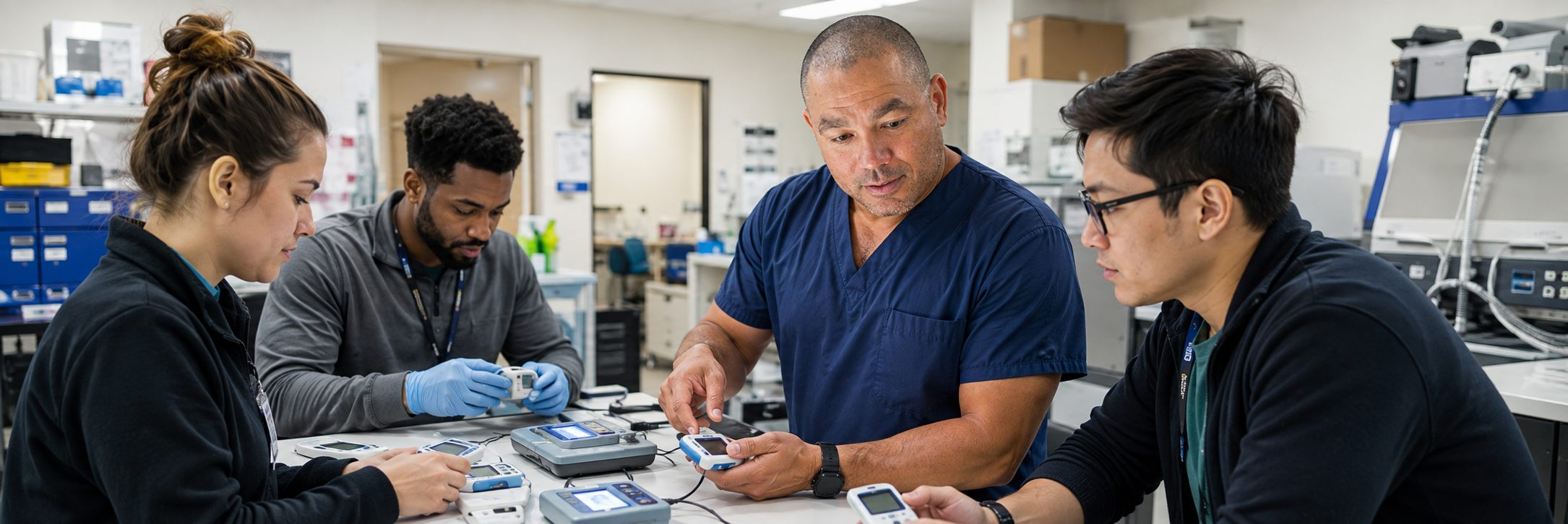
As a member of the BiomedRx International Service Network, we deliver complete calibration and maintenance for audiometric testing equipment across all major platforms — for healthcare providers and medical device manufacturers alike.

Audiometer Calibration to ANSI S3.6

Precision calibration of all audiometric frequencies (125 Hz to 8 kHz), output level verification, and linearity testing to ANSI S3.6 standard.

Tympanometer Service

Tympanometer calibration, pressure system verification, and middle ear measurement accuracy for impedance audiometry across all age groups.

Booth Acoustic Verification

Background noise level assessment, sound-field speaker calibration, isolation integrity testing, and booth performance documentation.

OAE Equipment Service

Otoacoustic emission probe maintenance, calibration verification, and infant screening system accuracy testing and software updates.

Compliance Documentation

HIPAA-ready calibration certificates, audit-ready maintenance logs, and regulatory documentation for state audiology boards and accreditors.

In-Service Training

Audiologist and technician training on proper equipment operation, calibration procedures, quality assurance, and new feature adoption.

Watch the Explainer

A 40-second look at how we keep your equipment accurate, compliant, and ready — and the free field guide that goes deeper.

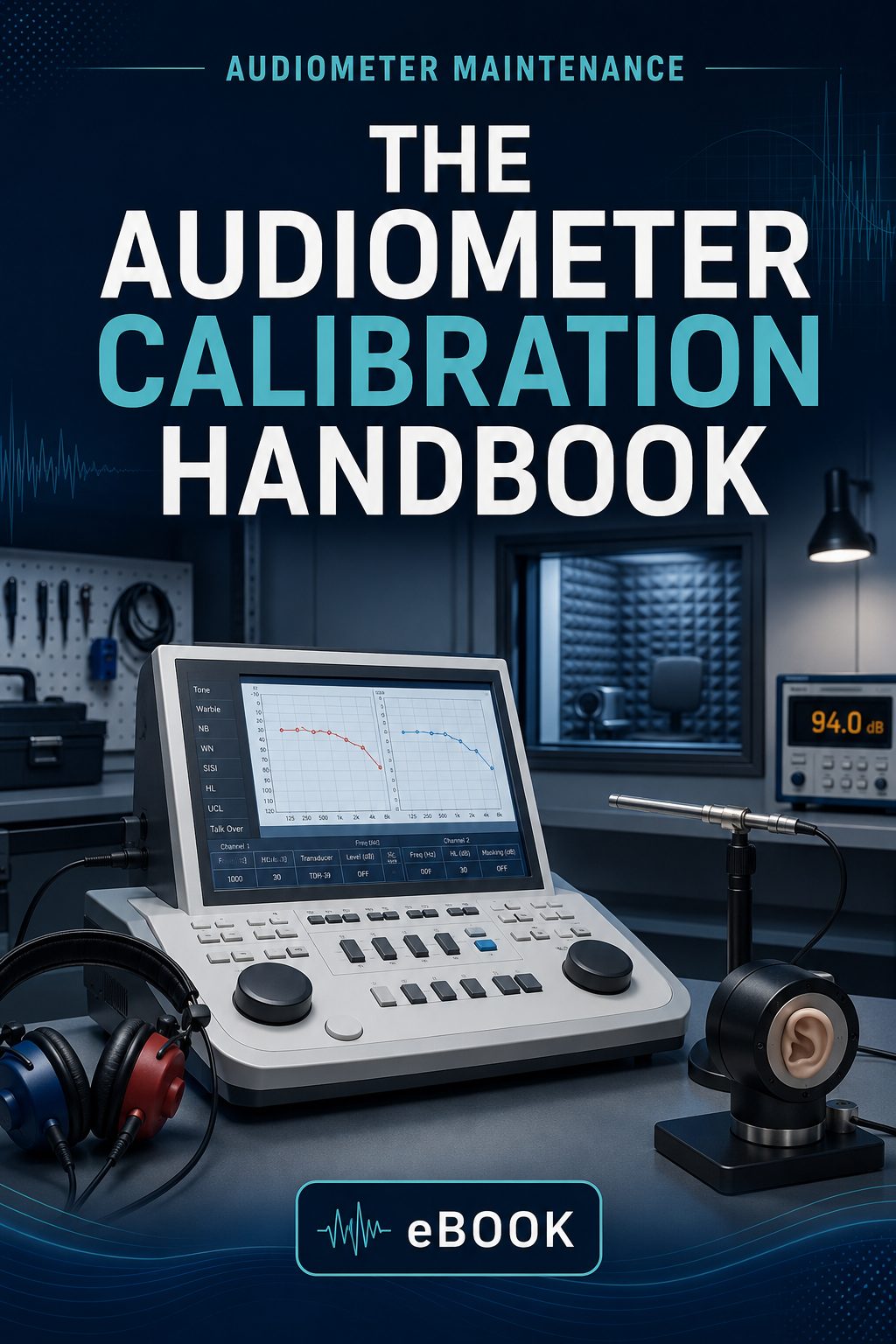
▶ Play full-screen Download the free e-book: The Audiometer Calibration Handbook

Field & Regulatory News

Real developments in health-technology management, dated this month and grounded in primary sources. Editorial commentary from our field engineers.

Educational

ANSI/ASA S3.6-2025 Is Here — and 'No New Technical Changes' Is Exactly the Headline You Want

ANSI/ASA S3.6 is the American National Standard that specifies the performance and calibration requirements for audiometers — everything from output level accuracy and frequency tolerances to the reference equivalent threshold sound pressure levels (RETSPLs) that define 0 dB HL for each transducer. When a revision reaffirms the existing specifications without new technical changes, the practical upshot is continuity: your reference values, calibration tolerances, and test procedures remain valid, and equipment already conforming to the prior edition does not suddenly fall out of spec.

That stability is genuinely useful for occupational hearing-conservation programs. Because OSHA's noise standard references calibration to ANSI S3.6, a settled standard means audiograms recorded now remain directly comparable to baselines taken years ago — which is the whole point of longitudinal monitoring for standard threshold shifts. Comparability breaks down when reference levels move, so a "no new technical changes" edition protects the integrity of historical data.

The right response to a stable standard is not complacency but discipline. It is an ideal moment to verify that your calibration certificates cite the correct standard edition, that transducers are matched to the audiometer they were calibrated with, and that daily functional checks and annual exhaustive calibrations are documented cleanly. Auditors and hearing-conservation reviewers look at the paper trail as closely as the instrument.

Sources: Acoustical Society of America (ANSI/ASA); OSHA 29 CFR 1910.95
July 9, 20268 min read
Informative

OSHA 1910.95 Calibration Cadence: Daily Functional Check, Annual Exhaustive, Biennial Electroacoustic

OSHA's hearing-conservation requirements (29 CFR 1910.95 and its Appendix E on acoustic calibration) establish a layered calibration cadence rather than a single annual event. The most frequent layer is the functional or biological check performed before each day audiometric testing is conducted: a known listener is tested, and the result is compared against a baseline. If the readings differ by more than a defined tolerance, the audiometer is suspect and must be checked further before testing continues.
The middle layer is periodic acoustic calibration, and the outer layer is a thorough exhaustive calibration performed to the ANSI/ASA S3.6 specifications at least every two years. The two-year electroacoustic calibration verifies output levels, linearity, frequency accuracy, and unwanted noise against the standard using calibrated acoustic instrumentation — work that generally requires a specialized lab or qualified technician, not a floor operator.

Building these three rhythms into a written schedule, with a named responsible person and retained records for each check, is what turns compliance from a scramble into a routine. Because a failed daily check halts testing, having a documented response procedure — and a spare, calibrated transducer or backup unit — keeps a minor deviation from costing you a full day of scheduled audiograms.

Sources: OSHA 29 CFR 1910.95; Acoustical Society of America (ANSI/ASA)

July 16, 20267 min read
Field Notes

Field Note: A 15 dB Shift on the Morning Biologic Check

The daily biological (functional) check exists precisely to catch this kind of drift before it contaminates real audiograms. When the known listener showed a 15 dB deviation at 4 kHz in one ear — well beyond the acceptable tolerance — the correct call was to stop testing, not to explain it away. A discrepancy that large is far more likely to be an equipment fault than a genuine overnight change in a trained listener's hearing, and treating it as a hardware problem first is the disciplined response.

The failure isolating to a single ear and a single high frequency pointed away from the audiometer's electronics and toward the transducer path. Supra-aural earphones such as the TDH-39 depend on a consistent, even seal against the ear; a cracked or hardened cushion that seats unevenly changes the acoustic coupling and can produce exactly this kind of frequency-specific level error. Cushion condition, cable integrity, and correct transducer-to-audiometer pairing are among the most common causes of daily-check failures in the field.

Reseating and replacing the cushion, then re-running the biological check to confirm the reading was back within tolerance, restored testing without rescheduling the crew. Just as important, the incident and its resolution were documented — what failed, what was done, and the passing re-check — so the day's audiograms rest on a defensible record. That paper trail is what protects both the workers' data and the program during any later review.

Sources: OSHA 29 CFR 1910.95; Acoustical Society of America (ANSI/ASA)

July 23, 20265 min read

Let's keep your audiometers calibrated and clinically accurate.

Tell us your equipment type, booth configuration, and current calibration schedule. We respond within one business hour.

2026 Industry Update

Why calibrated, well-documented audiometry stays central to every hearing program.

As of 2026, OSHA's Occupational Noise Exposure standard (29 CFR 1910.95) continues to require a hearing conservation program for workers exposed to noise at or above an 85-decibel 8-hour time-weighted average, with audiometers calibrated to the ANSI/ASA S3.6 specification. Remote supervision via teleaudiology satisfies the technician-supervision requirement when the supervisory relationship is documented for each day of testing — reinforcing the role of properly calibrated, well-documented equipment in every occupational and clinical hearing program.

↓ Download the Free Handbook: The Audiometer Calibration Handbook
Watch

Videos

FAQ

Frequently Asked Questions

What hearing services do you offer?
Hearing screenings, diagnostic audiometric testing, hearing aid fittings, and follow-up care.
Do you work with veterans and VA benefits?
Yes. We help eligible veterans access hearing care and hearing aids through applicable VA programs.
How often should hearing be tested?
Adults should have a baseline test and periodic re-checks, especially with noise exposure or noticeable changes in hearing.
How do I book an appointment?
Call (424) 204-2382 or email info@audiometermaintenance.com to schedule.
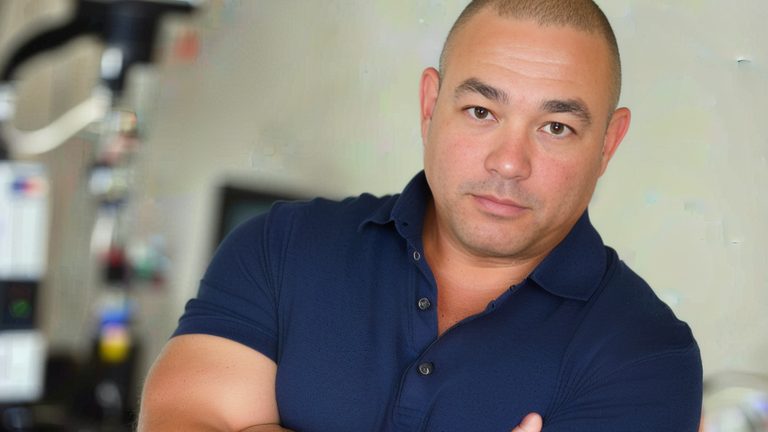
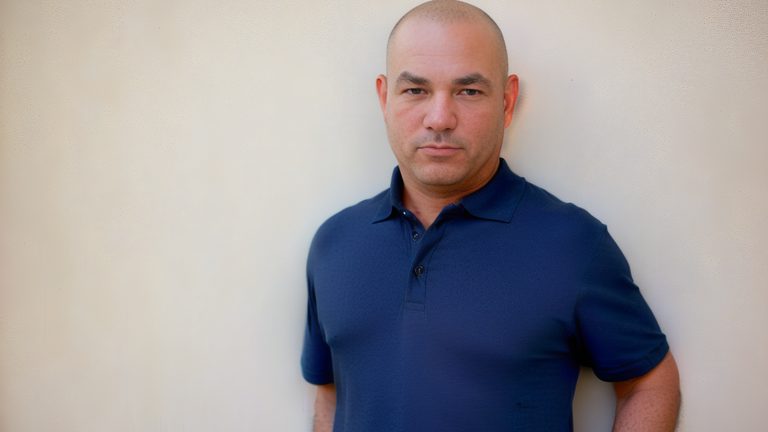
Devin Lockett, Founder
About the Founder

Devin Lockett

Devin Lockett is the founder and entrepreneur behind this venture and the wider BiomedRx family of companies—spanning healthcare technology, wellness, media, and community initiatives. He builds brands focused on quality, service, and independent ownership.

Shop

Recommended on Amazon

As an Amazon Associate we earn from qualifying purchases. Prices and availability are subject to change.

Get cash back when you join Amazon Prime
View on Amazon →
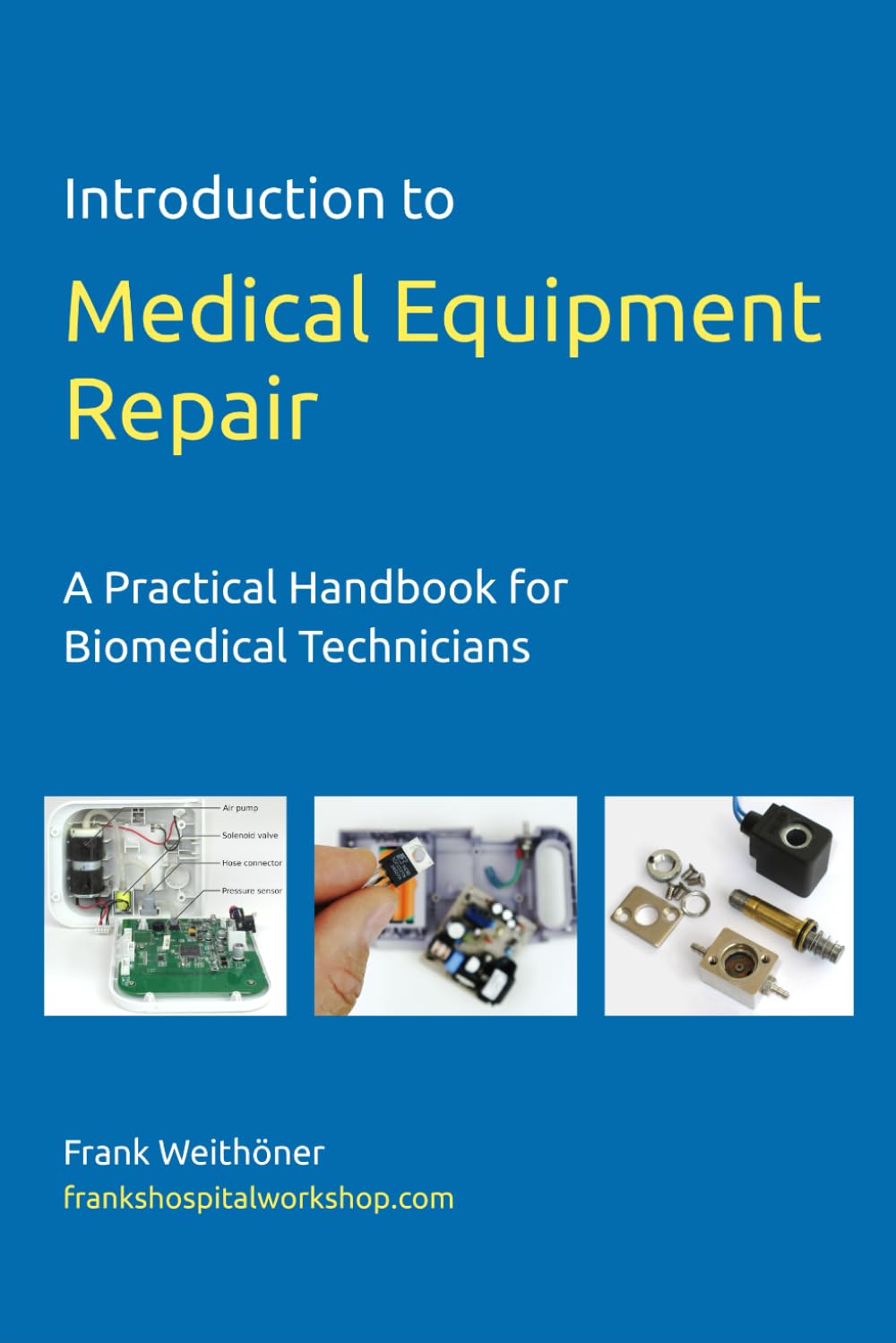
Introduction to Medical Equipment Repair
View on Amazon →
Biomedical Device Technology
View on Amazon →
Biomedical Device Technology
View on Amazon →
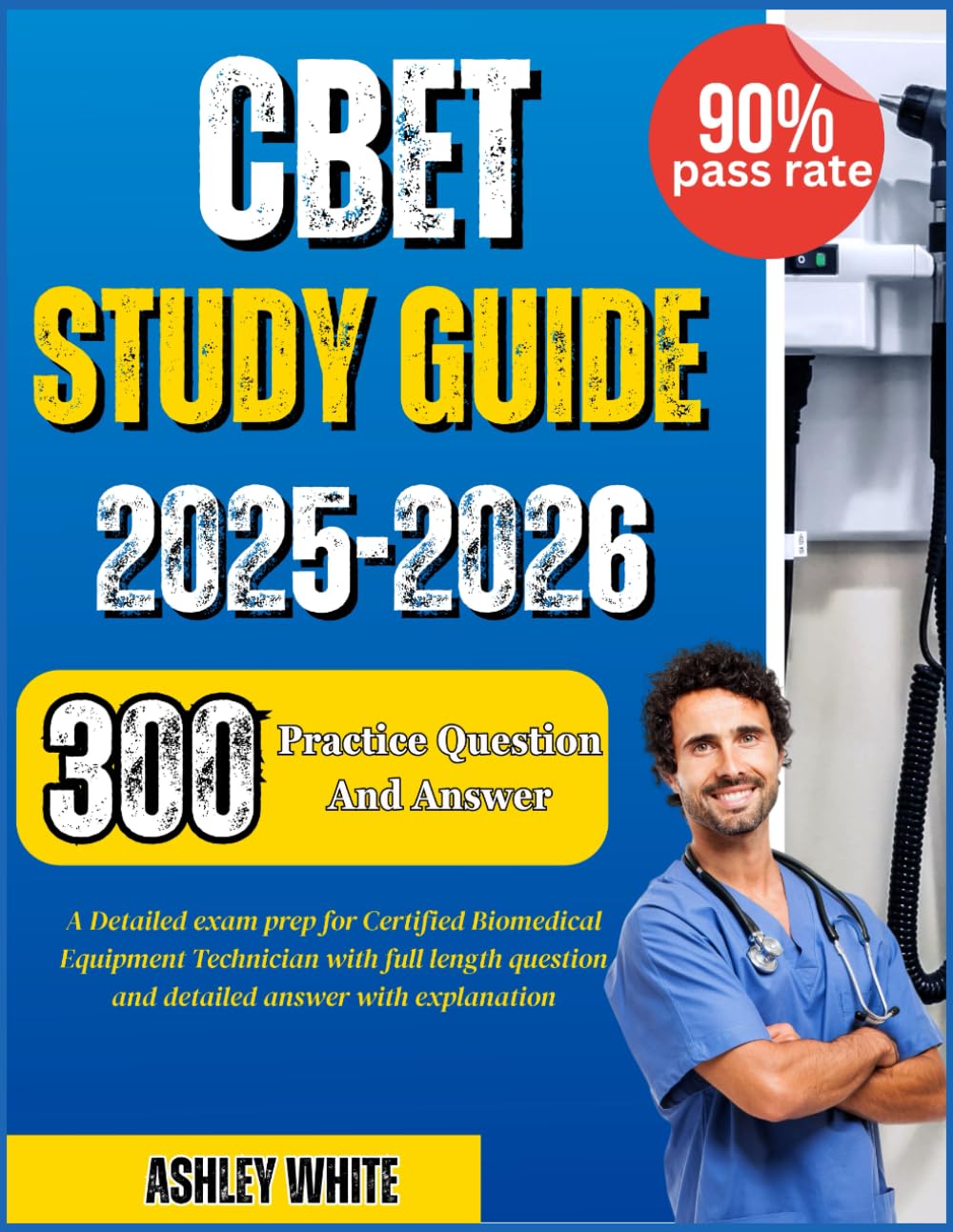
CBET Exam Study Guide
View on Amazon →
CBET Exam Flash Cards
View on Amazon →
Repair and Maintenance of Medical Devices
View on Amazon →
Biomedical Equipment Technician
View on Amazon →
Biomedical Equipment Maintenance and Safety
View on Amazon →
Medical Equipment Maintenance Management and Oversight
View on Amazon →
Introduction to Biomedical Engineering Technology
View on Amazon →
Extending Equipment's Life Cycle
View on Amazon →
CBET Exam Study Guide 2025-2026
View on Amazon →
CBET Exam Study Guide 2025-2026
View on Amazon →
CBET Exam Study Guide 2025-2026
View on Amazon →
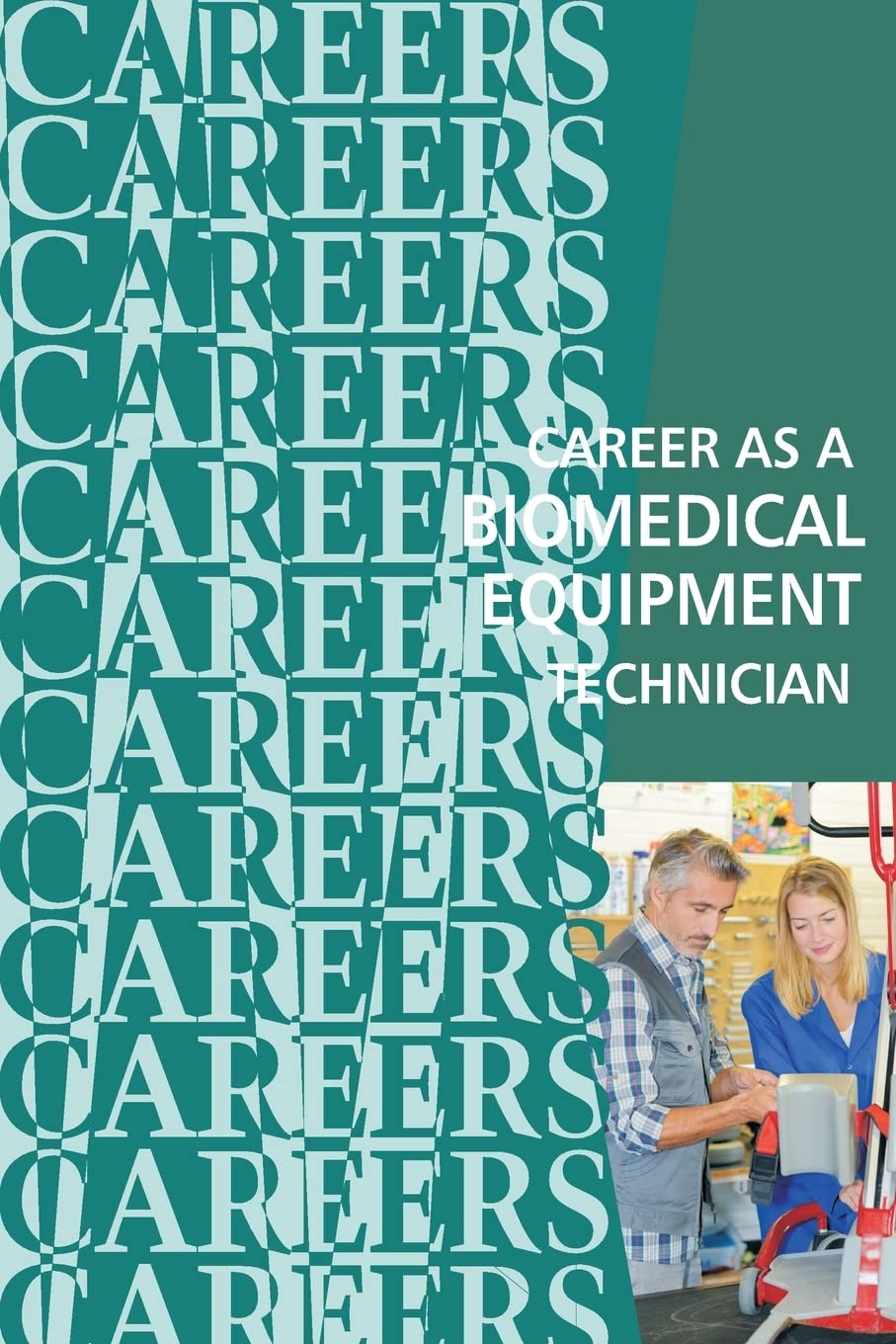
Careers as a Biomedical Equipment Maintenance Technician
View on Amazon →
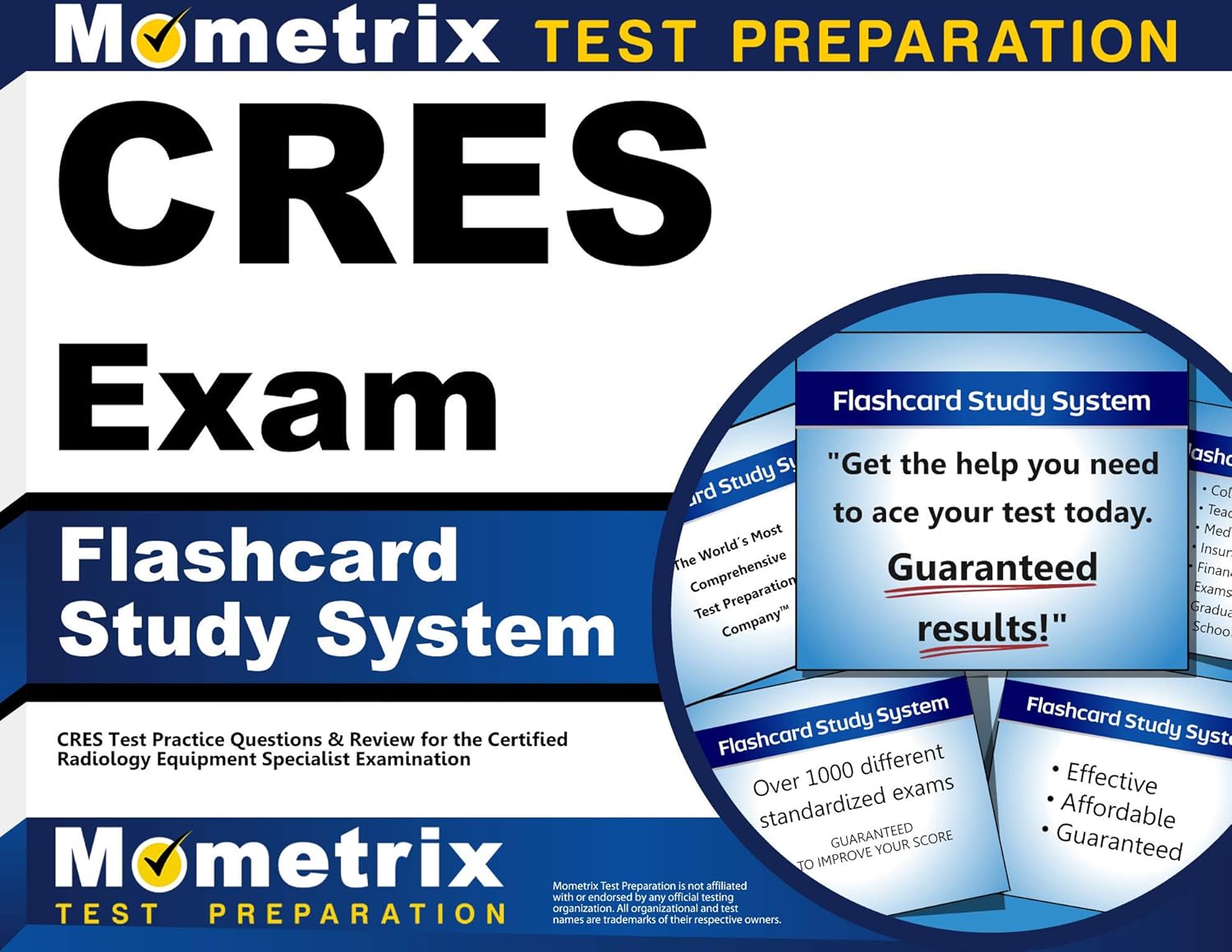
CRES Exam Flash Cards
View on Amazon →
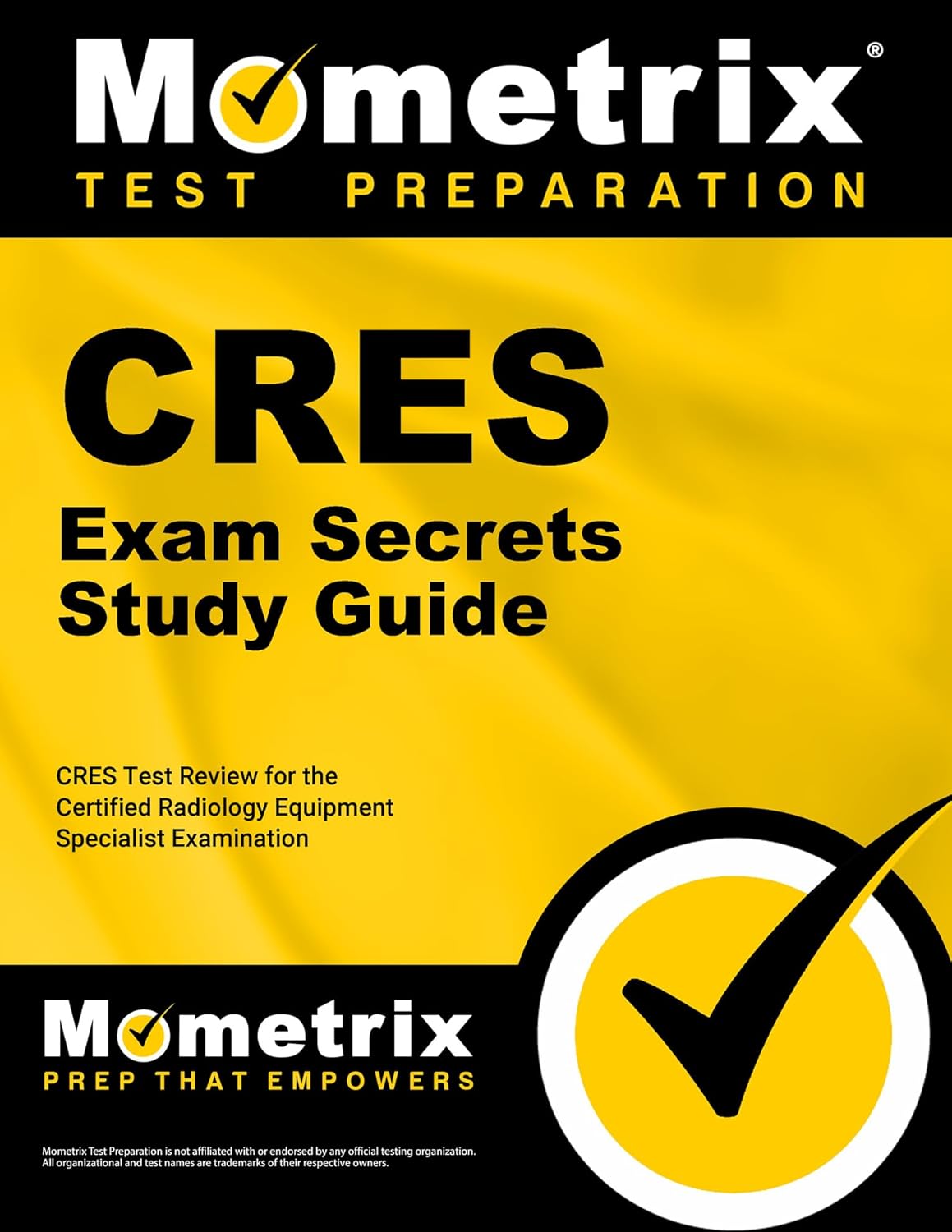
CRES Exam Study Guide 2025-2026
View on Amazon →
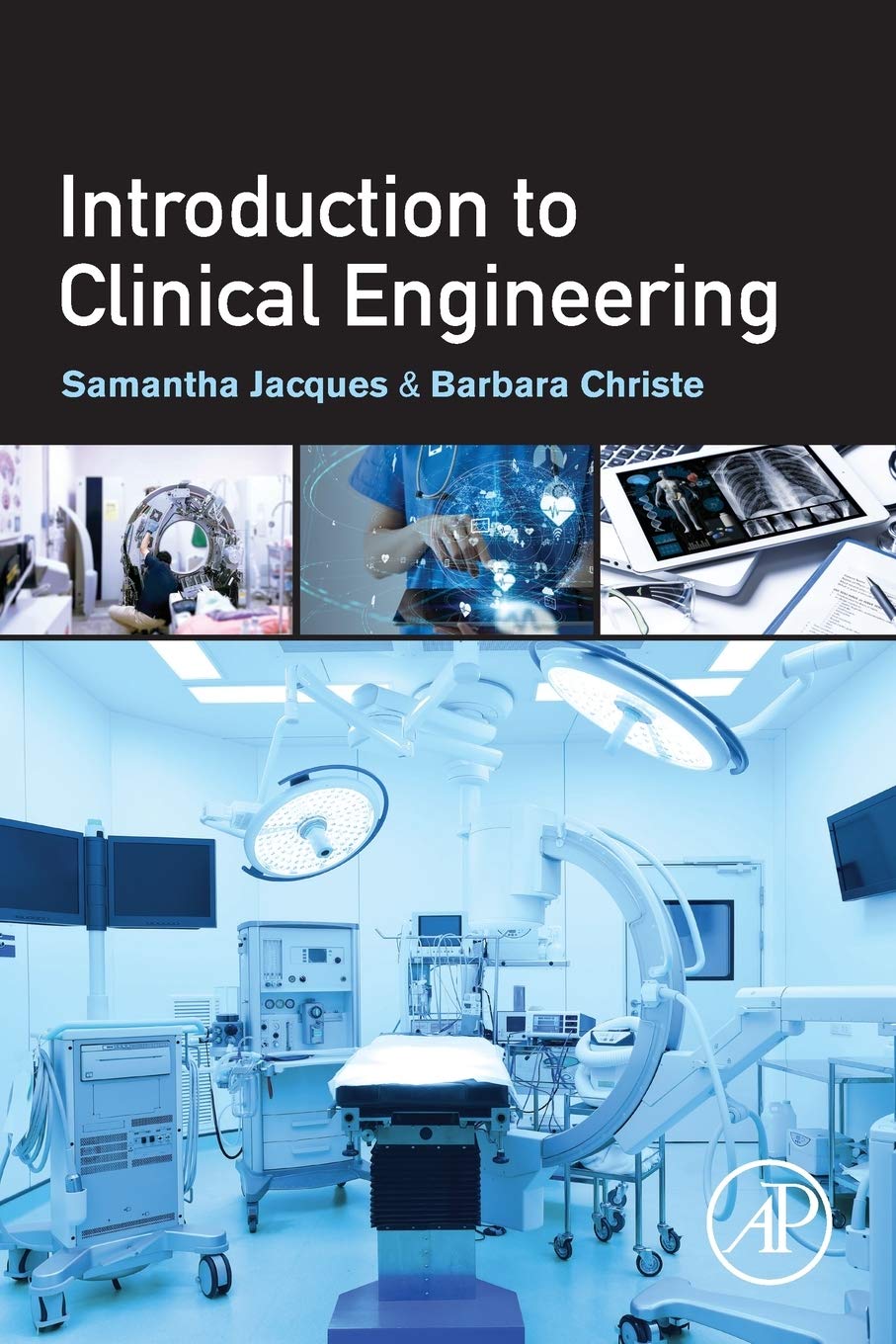
Introduction to Clinical Engineering
View on Amazon →
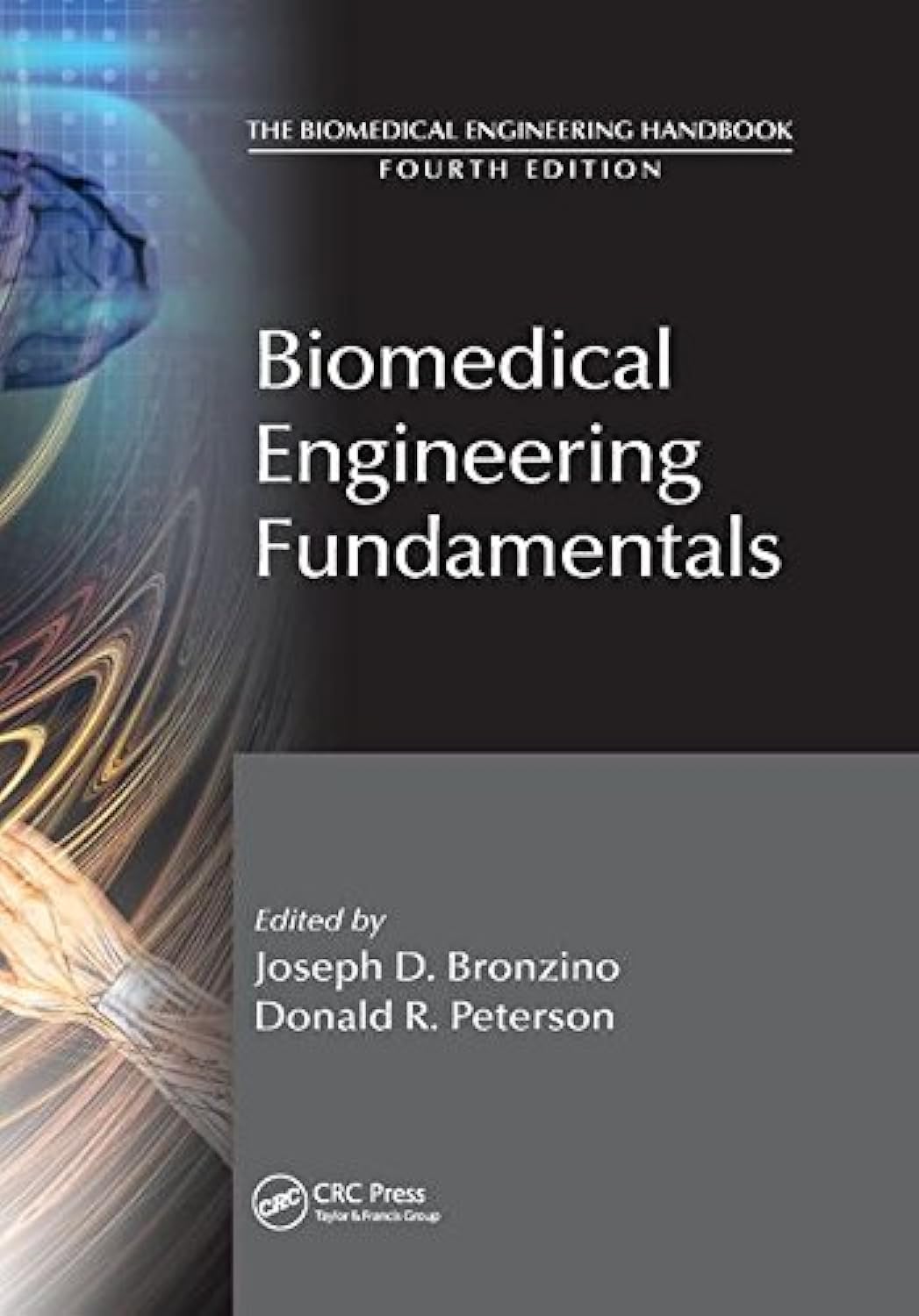
Biomedical Engineering Fundamentals
View on Amazon →
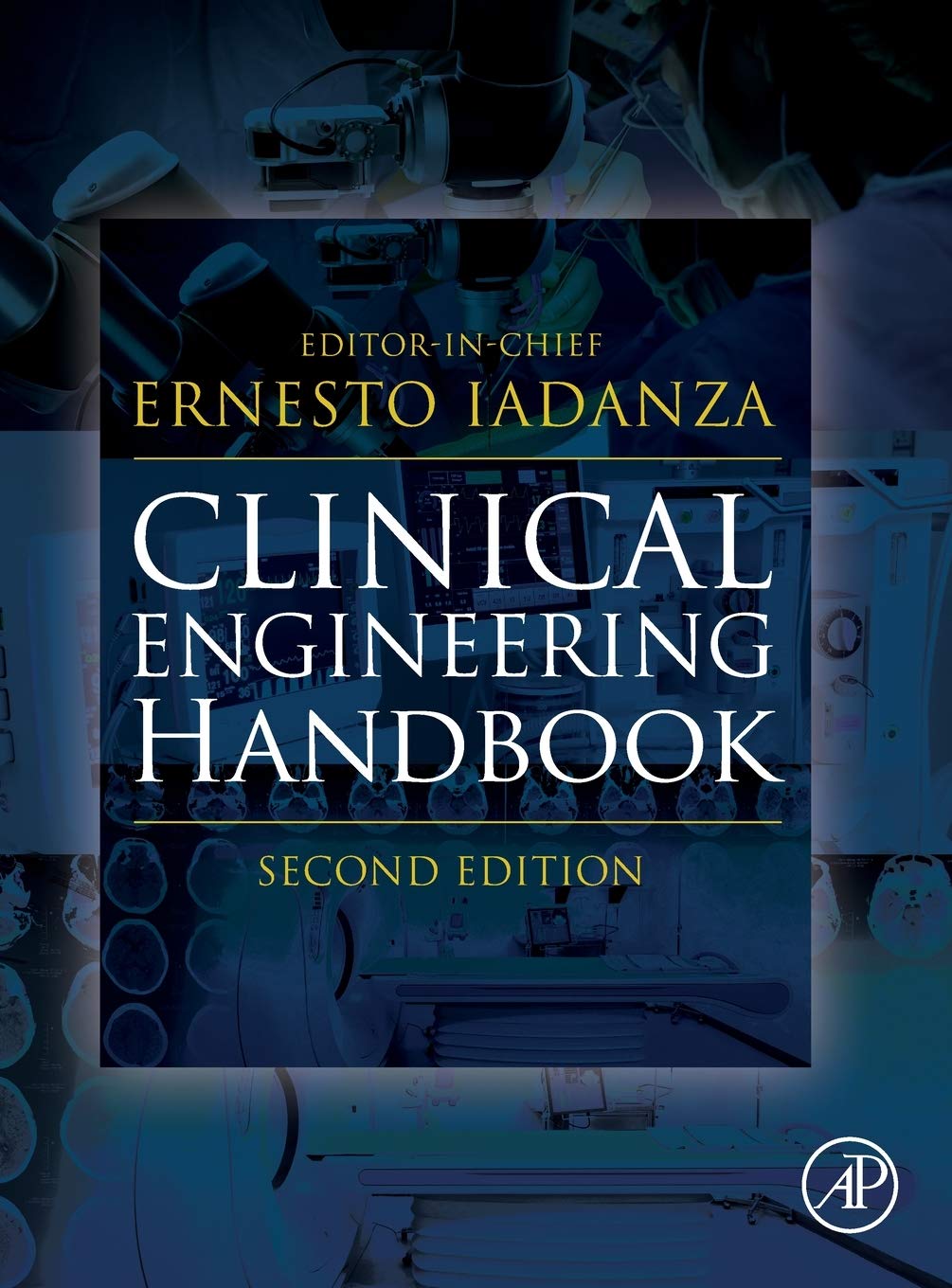
Clinical Engineering Handbook
View on Amazon →
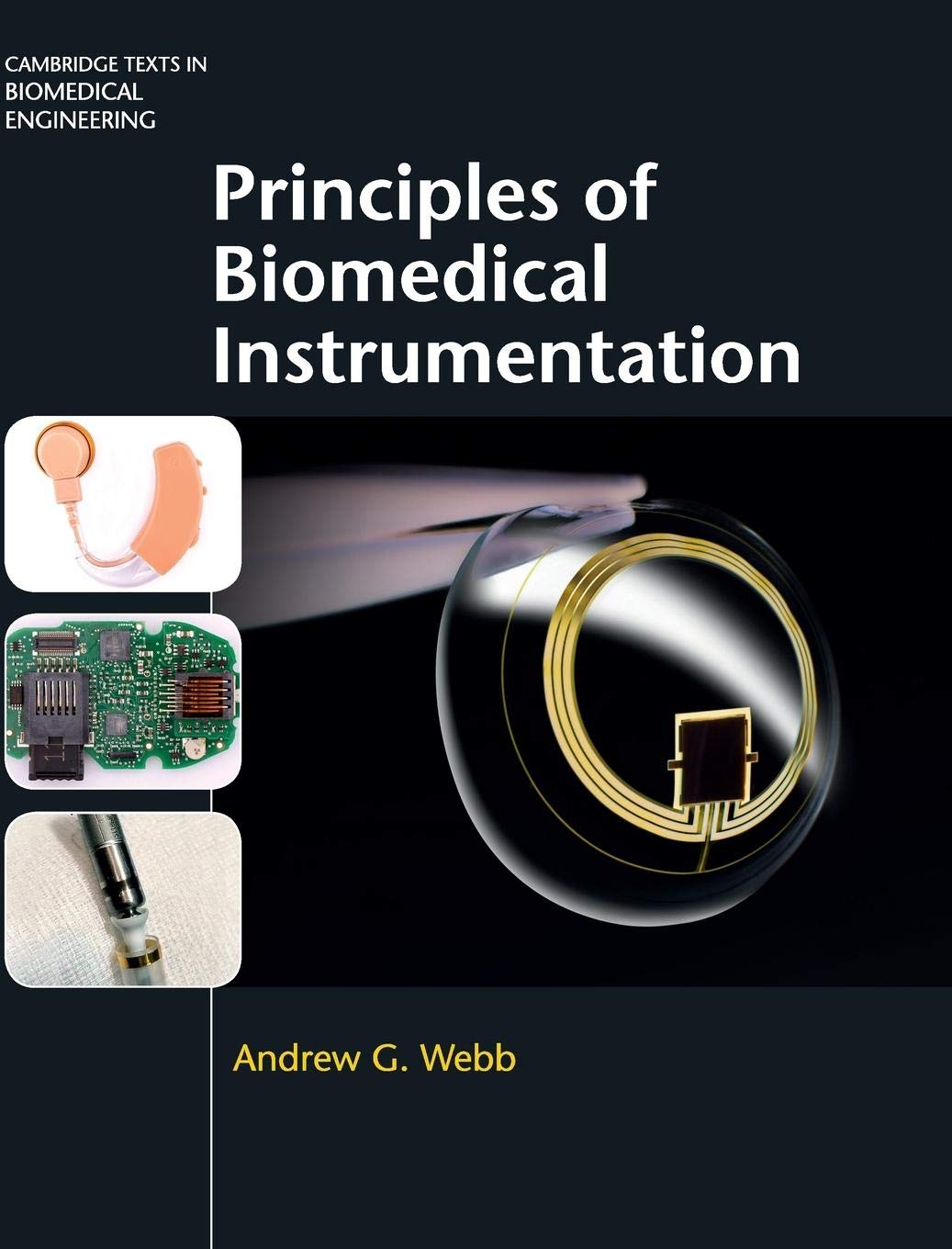
Principles of Biomedical Instrumentation
View on Amazon →
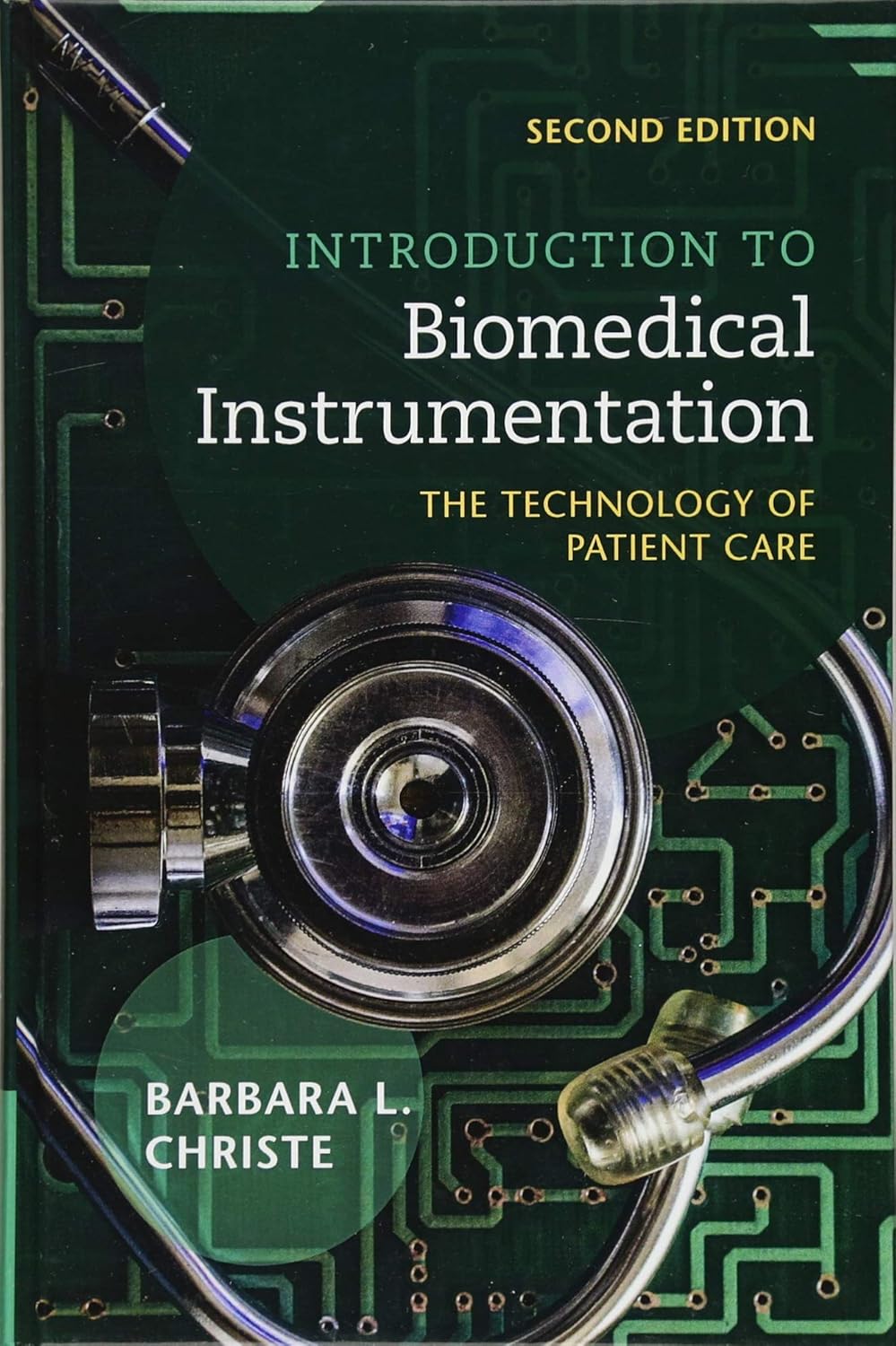
Introduction to Biomedical Instrumentation
View on Amazon →
Maintenance of Medical Technology
View on Amazon →
Introduction to Biomedical Engineering Technology
View on Amazon →
Jensen Biomedical Equipment Maintenance Technician Toolkit
View on Amazon →
Pro's Kit Electronics Toolkit
View on Amazon →
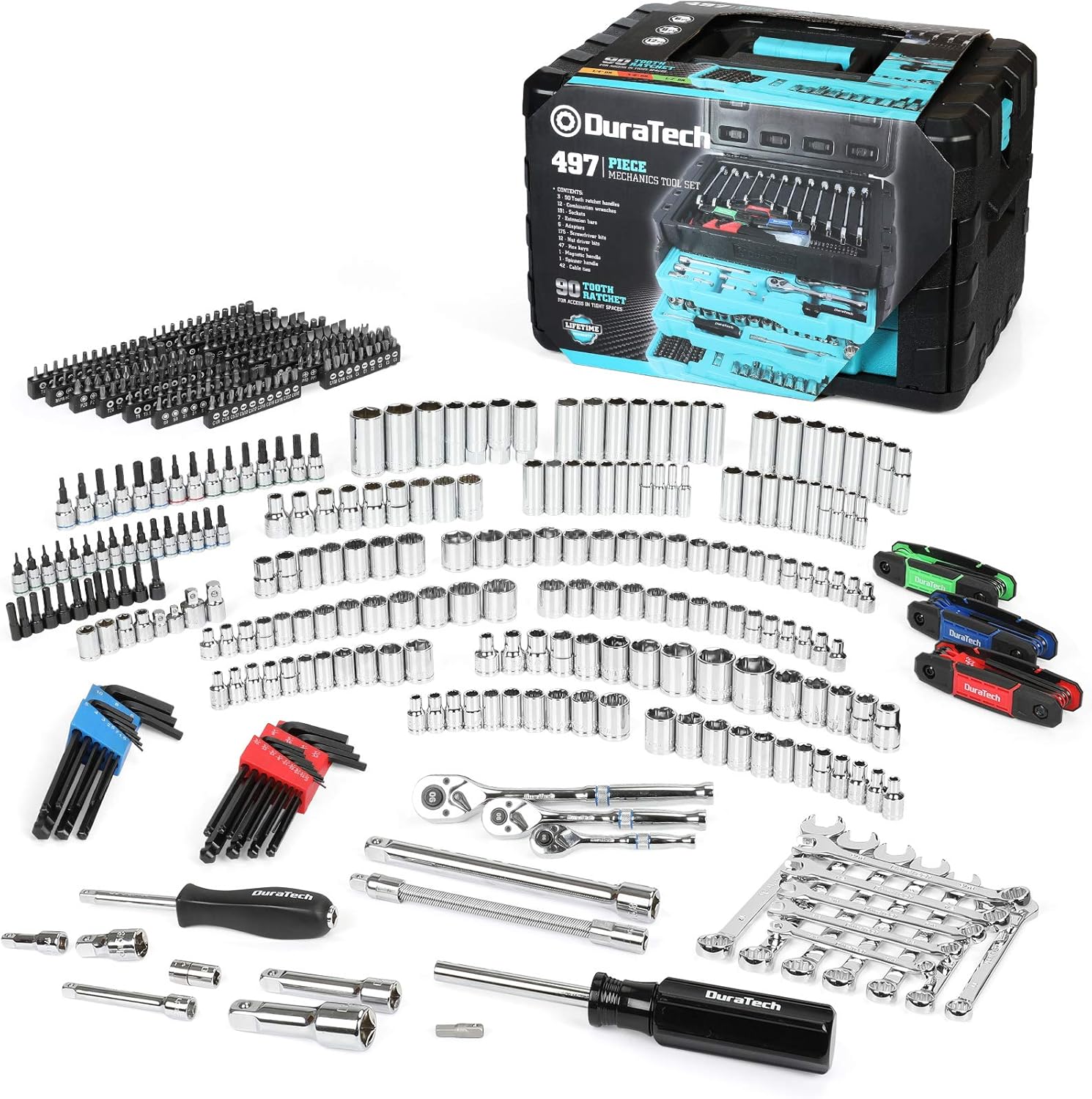
Duratech 497-Piece Mechanics Toolkit
View on Amazon →